Rural veterinary practice is vital to the UK’s agriculture, animal welfare, and food security, yet many practices are struggling to attract and retain the professionals needed to sustain these services. Workforce shortages, rising burnout, and shifting career expectations are reshaping the rural employment landscape and forcing practices to rethink recruitment.
Insights from the RCVS Survey of the Veterinary Profession and the British Veterinary Association workforce reports highlight ongoing hiring pressures, particularly within farm and mixed practice. As competition for talent intensifies, rural recruitment is becoming more strategic and candidate-focused, with practices refining incentives, embracing flexibility, and widening talent pipelines.
This blog explores the key challenges shaping rural veterinary recruitment in the UK, how they compare with urban practice dynamics, and the strategies influencing hiring.
The contrast between rural and urban veterinary practice is one of the most influential factors shaping recruitment trends.
Rural veterinary roles typically involve mixed-practice environments, combining farm animal care with companion animal services across large geographic areas. Vets often travel significant distances between farms and manage unpredictable emergency calls. In contrast, urban veterinary practices tend to focus primarily on small animals, offering structured clinic-based schedules and access to specialist support.
Compensation and lifestyle also differ. Urban practices generally offer higher salaries, modern facilities, and clearer progression pathways. Rural roles may provide slightly lower base pay but offer broader clinical exposure, greater autonomy, and strong community integration. For some professionals, this breadth of experience is highly rewarding. For others, the demands and isolation present significant barriers.
Despite representing a smaller proportion of the veterinary workforce, rural practitioners support vital sectors such as livestock farming, disease surveillance, and public health. These roles are closely tied to the UK livestock and agriculture sector and national food supply chains. Shortages in rural veterinary roles can therefore have far-reaching implications for food production, biosecurity, and animal welfare across the UK.
Rural veterinary practices face a unique combination of structural and workforce pressures that make recruitment increasingly complex.
Many rural practices operate below optimal staffing levels, often functioning at reduced capacity due to limited candidate availability. Long hours, demanding on-call schedules, and physically intensive work contribute to high levels of fatigue and stress. According to the latest RCVS workforce survey, a significant proportion of farm animal veterinarians have considered leaving their roles due to work-life balance concerns.
This sustained pressure creates a cycle in which understaffing leads to overwork, which in turn drives further attrition. For hiring managers, this translates into longer recruitment timelines and increased competition for experienced candidates.
Professional isolation remains a defining feature of rural veterinary work. Limited access to peer networks, continuing professional development opportunities, and social amenities can impact both morale and retention. Findings from the BVA Voice of the Veterinary Profession survey consistently highlight stress and wellbeing concerns across the profession, with rural roles often experiencing intensified pressures.
Addressing isolation through structured support and team-based models is becoming a critical element of successful rural recruitment and retention strategies.
Financial considerations also shape hiring challenges. Rural practices frequently serve agricultural clients working within tight economic margins, limiting their ability to increase fees and salaries. As a result, rural roles may offer lower compensation than urban positions without additional incentives.
Brexit has further intensified workforce pressures. Data from the RCVS registration statistics show a notable reduction in EU-qualified veterinarians entering the UK in recent years. At the same time, veterinarians remain on the UK’s Shortage Occupation List, underlining the continued demand for international talent.
These structural challenges are driving notable changes in how veterinary recruitment is approached across the UK.
High turnover rates, particularly in farm and mixed practice, have created persistent skills shortages. Practices must now recruit more frequently and compete more actively to secure experienced professionals. In some cases, roles remain unfilled for extended periods, placing additional strain on existing teams and affecting service delivery.
This environment has increased demand for specialist recruitment support capable of sourcing candidates efficiently and aligning them with the realities of rural practice.
With domestic supply constrained, international recruitment has become an increasingly important component of rural hiring strategies. Practices are exploring talent from non-EU markets and working closely with specialist agencies to navigate visa requirements and professional registration processes.
Flexible working arrangements are also becoming standard rather than optional. Shared on-call systems, part-time roles, and defined working hours help make rural positions more sustainable and attractive to a broader range of candidates.
Recruitment challenges in rural areas have wider implications for agricultural productivity and animal health outcomes. Delays in veterinary care can affect livestock management, disease prevention, and farm efficiency. These pressures reinforce the importance of maintaining a stable veterinary workforce across rural regions and ensuring practices can secure the right talent quickly and effectively.
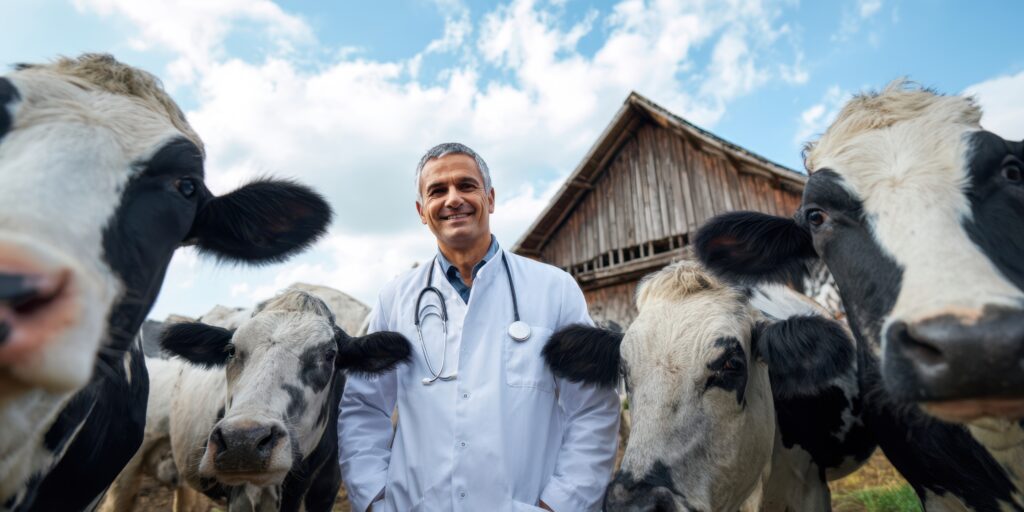
To counter these dynamics, practices are implementing insight-driven approaches that prioritise culture and innovation, as recommended by industry leaders.
Retention is equally critical, focusing on support to foster long-term commitment in the face of workforce issues.
Demand for veterinary services across the UK is expected to remain strong, supported by continued growth in companion animal ownership and agricultural development. The findings of the CMA veterinary market review also point toward increasing transparency and evolving service expectations within the sector.
Advances in telemedicine, AI-assisted diagnostics, and sustainable farming practices will influence the skills required of future rural vets. Practices that embrace innovation while maintaining supportive working environments will be best positioned to attract emerging talent.
While overall workforce supply may gradually improve over time, rural and public health roles are likely to continue experiencing targeted shortages. Strategic recruitment, strong retention frameworks, and specialist hiring support will remain essential to maintaining service continuity across rural communities.
Rural veterinary recruitment in the UK is being reshaped by workforce shortages, shifting career expectations, and growing operational pressures. Practices that adapt by offering competitive packages, supportive cultures, and flexible working will be better positioned to attract and retain skilled professionals.
Despite challenges, rural veterinary roles remain diverse, meaningful, and vital to the UK’s agricultural and animal health landscape. With a strategic recruitment approach, they can continue to be both appealing and sustainable.
Finding and retaining skilled rural veterinarians requires market insight, speed, and precision. Verovian veterinary recruitment agency connects practices with committed professionals who understand rural care demands.
Partner with us to secure dependable talent, reduce hiring delays, and build a resilient veterinary team today.
The role of a veterinary nurse in the UK has evolved dramatically. No longer confined to basic supportive tasks, registered veterinary nurses (RVNs) are increasingly expected to deliver high-level clinical practice, lead within veterinary teams, and contribute evidence-based care to improve outcomes for veterinary patients. For many RVNs, this development means pursuing advanced veterinary nursing qualifications and specialisms that enhance expertise, influence career progression, and deepen professional impact in veterinary practice.
This blog provides a clear, step-by-step guide to becoming an advanced veterinary nurse in the UK, explores key qualifications and training pathways, and offers insight into how advanced development shapes careers and clinical care now and in the future.
An advanced veterinary nurse is an RVN who has pursued structured further education and training beyond initial qualification to develop specialist knowledge and skills in practice nursing, often focusing on areas such as critical care nursing, medical nursing, or anaesthesia and analgesia.
This advanced status signifies not just experience but mastery of clinical practice, research-informed care, and higher-level decision-making in busy veterinary teams. Advanced nurses play vital roles in referral hospitals, busy medical clinics, and emergency care environments, working alongside veterinary surgeons, practice leaders, and support staff to elevate standards of animal health and welfare.
While all RVNs provide essential care to animals, advanced veterinary nurses (AVNs) operate at a higher level of clinical responsibility and specialist expertise. Key differences include:
RVN: Day-to-day duties include routine nursing care, administering medications, monitoring patients, assisting veterinary surgeons in surgery, and client communication.
AVN: Focuses on specialised areas such as critical care nursing, advanced anaesthesia monitoring, complex medical management, and supervising clinical procedures. AVNs may also contribute to practice policies, staff training, and research initiatives.
RVN: Works under the direct supervision of a veterinary surgeon, following established protocols.
AVN: Makes independent clinical judgements within their specialist area, often guiding less experienced nurses and mentoring student veterinary nurses.
RVN: Routine patient monitoring, wound care, vaccination clinics, surgical assistance, and general practice tasks.
AVN: Complex case management, specialised clinical procedures, audits of patient care, evidence-based protocol development, and collaboration on multidisciplinary case planning.
RVN: Recognised as a qualified member of the veterinary team.
AVN: Holds an advanced veterinary nursing qualification (such as CertAVN), formally recognised by the RCVS, and often regarded as a specialist resource within the practice.
This distinction highlights how pursuing an advanced veterinary nursing qualification not only expands professional knowledge and skills but also elevates day-to-day responsibilities, career progression, and impact on veterinary patients.
Every journey begins with an entry-level veterinary nursing qualification. In the UK, aspiring nurses typically start with either:
Both options lead to eligibility to register as a veterinary nurse with the Royal College of Veterinary Surgeons (RCVS). Being registered with the RCVS is a legal requirement to practise as an RVN in the UK.
Once registered and actively working in a veterinarypractice, many RVNs pursue post-registration qualifications to expand their capability and career options. Historically, the Diploma in Advanced Veterinary Nursing was the standard advanced qualification, but this has been replaced by more flexible and modular pathways.
The Certificate in Advanced Veterinary Nursing (CertAVN) is the most recognised advanced qualification in the UK. It is a qualification awarded by the RCVS designed for experienced RVNs to develop advanced knowledge and skills in a specific area of practice.
Key features:
Successful completion demonstrates advanced competency and enables RVNs to apply their skills in complex clinical settings.
Graduate (Level 6) and Postgraduate (Level 7) Certificates in Advanced Veterinary Nursing provide a pathway for RVNs to gain specialist knowledge and skills in practice, often delivered via online learning combined with in-practice assessment. Entry requirements typically include current RVN registration and relevant experience in clinical practice.
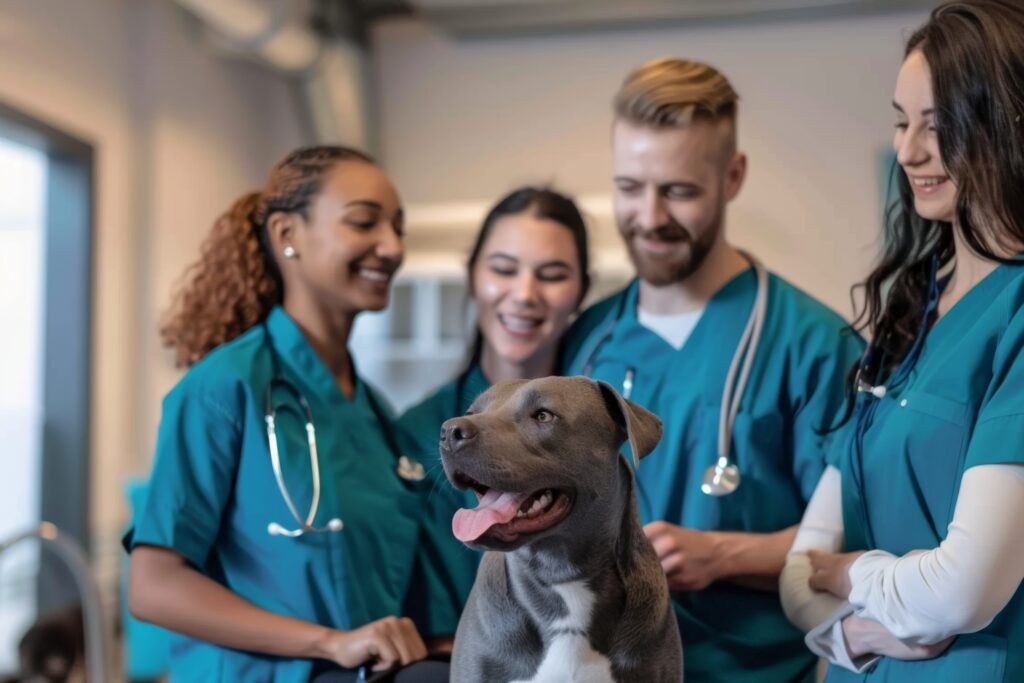
Advanced veterinary nurses can take on specialist roles, including:
These roles enhance veterinary patients’ outcomes, strengthen the veterinary team, and elevate the status of nursing within the practice.
The demand for advanced practice continues to grow as the veterinary industry becomes more complex. Key trends include:
This trajectory, informed by initiatives like the VN Futures project and RCVS frameworks, ensures advanced veterinary nurses are well-positioned for sustainable careers and professional influence.
Becoming an advanced veterinary nurse in the UK represents both professional growth and meaningful impact on veterinary patients. From foundational qualification and RCVS registration to advanced programmes like the CertAVN and postgraduate certificates, the pathway equips RVNs with the knowledge, skills, and clinical expertise to excel in specialist areas.
For RVNs passionate about enhancing clinical practice, leadership, and patient outcomes, pursuing advanced qualifications is a clear route to career progression, recognition, and lasting contribution to the veterinary profession.
Looking to take the next step in your veterinary nursing journey? Verovian Veterinary recruitment agency connects ambitious RVNs with top veterinary practices across the UK, offering tailored guidance on advanced qualifications, career progression, and professional development. Whether you’re pursuing a CertAVN, postgraduate certificate, or specialised clinical role, we help you find the right opportunity to apply your advanced knowledge and skills in practice.
Start your journey with us and elevate your career in veterinary nursing now.
The UK continues to welcome skilled veterinary professionals from across the globe to help meet the growing demand in small animal, equine, farm, and mixed practices. According to recent data from the Royal College of Veterinary Surgeons (RCVS), there is a sustained need for qualified veterinarians, particularly in rural and mixed practice settings.
For overseas-qualified vets, practising in the UK involves more than bringing expertise; it requires meeting RCVS professional standards and obtaining official registration. This guide provides a clear roadmap: explaining the importance of RCVS registration, outlining the qualification process, exploring the Veterinary Graduate Development Programme (VetGDP), and showcasing how Verovian Agency helps international vets secure rewarding career opportunities across the UK.
RCVS registration is a legal requirement for anyone wishing to practise as a veterinary surgeon in the UK. It verifies that your education, clinical expertise, and ethical standards align with the UK’s rigorous professional expectations. Without registration, you cannot diagnose, prescribe medication, or perform surgery.
Beyond compliance, RCVS registration signifies professional credibility and ethical responsibility. Employers and clients alike recognise it as proof of competence and trustworthiness, ensuring confidence in your ability to deliver safe, effective veterinary care. In essence, registration is your official licence to practise and progress as a veterinary surgeon in the UK.
Your first step is to verify whether your veterinary qualification is recognised by the RCVS. Degrees listed on the RCVS List of Recognised Veterinary Qualifications allow you to apply directly for registration.
If your qualification is not listed, you will need to complete the RCVS Statutory Membership Examination, which demonstrates equivalence to UK veterinary standards.
Tip: Begin gathering official transcripts and verification letters early, as obtaining authenticated documentation from overseas institutions can take several weeks.
If your degree was not taught in English, you must provide proof of language proficiency, typically through an IELTS or OET test. This ensures you can communicate effectively with clients, colleagues, and animal owners in clinical settings.
For qualifications not automatically recognised, passing the Statutory Membership Examination is essential. The assessment evaluates your theoretical knowledge and practical skills to ensure safe and competent practice in the UK.
It usually includes written tests on veterinary science and ethics, along with hands-on components assessing diagnostic and procedural abilities.
Preparation involves revisiting key veterinary principles, gaining relevant clinical experience, and familiarising yourself with UK veterinary protocols. Once successful, you become eligible to apply for full registration.
After meeting the academic and language requirements, submit your application to the RCVS with supporting documents, including your degree certificate, transcript, passport, English language test result, and certificate of good standing. You can find full details on the application process here.
Upon approval, you’ll take the RCVS Declaration, officially becoming a Member of the Royal College of Veterinary Surgeons (MRCVS)
Once registered, newly qualified and overseas veterinarians typically complete the Veterinary Graduate Development Programme (VetGDP) before practising independently.
VetGDP provides a structured introduction to UK practice through mentorship and guided professional development. Under the supervision of a trained mentor, you’ll gain hands-on experience, strengthen decision-making skills, and adapt to UK regulations and clinical standards.
For overseas vets, this programme offers a valuable opportunity to adjust to the UK’s workplace culture, record-keeping systems, and communication style. Our recruitment team ensures your first placement aligns with VetGDP-approved practices that provide strong professional support and career growth.
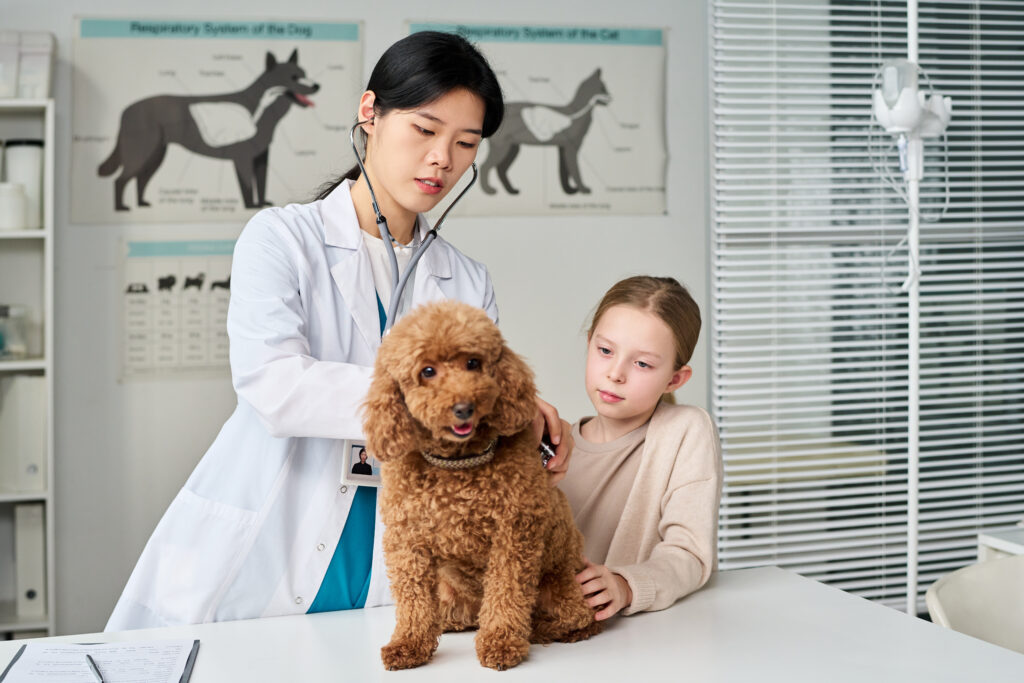
Once you obtain RCVS registration, a wide range of career opportunities becomes available across the UK. Practices actively seek international veterinarians to fill vital roles, particularly in underserved regions.
You may choose to work in:
The UK veterinary sector offers flexibility, allowing you to specialise or progress into senior clinical, research, or management roles. Many of our placed candidates advance into leadership positions within their first few years of UK practice.
Transitioning to UK veterinary practice can be rewarding but also presents challenges, such as:
Being prepared for these challenges ensures a smoother journey toward registration and employment.
Verovian Veterinary Recruitment Agency specialises in connecting qualified veterinarians with established employers across the UK. We understand the complexities of registration and professional adaptation, and we guide you through every stage.
From confirming your RCVS eligibility to securing VetGDP-compliant placements, we ensure a seamless journey into employment. Our consultants assist with documentation, interview preparation, and career planning, matching you with employers who offer mentorship, development, and long-term growth opportunities.
Our goal is to help you move beyond paperwork into a fulfilling veterinary career in the UK. Contact us today to start your registration journey and secure your ideal veterinary placement in the UK.
Working in the UK as an overseas-qualified vet offers a rewarding opportunity to combine professional growth with international experience. By completing your RCVS registration, passing the Statutory Membership Examination (if required), and undertaking the VetGDP, you’ll gain full professional recognition and open the door to a wide range of opportunities across the UK.
With the right preparation and the dedicated support of Verovian Veterinary Recruitment Agency, you can confidently build a veterinary career in the UK that’s defined by growth, purpose, and global recognition.
Running a veterinary practice in the UK today is a demanding and multifaceted job. Veterinary professionals must balance clinical work with business operations while adapting to rapidly evolving client expectations. As pet ownership rises and veterinary medicine advances, identifying common pain points and addressing key challenges is essential for resilience and long-term success.
According to the Competition and Markets Authority (CMA), veterinary fees have increased by as much as 60% since 2015. This economic pressure, along with calls for greater industry transparency, requires clinics and practice owners to remain agile and strategic.
This blog explores the most common challenges faced by veterinary practices and practical solutions that support practice management, client satisfaction, and veterinary care quality.
From diagnostic equipment and medications to utilities, insurance, and wages, the cost of running veterinary clinics is mounting. Clients expect transparency in veterinary services, making it vital to manage cash flow and communicate clearly.
High workloads and limited flexibility contribute to burnout, particularly among veterinary nurses and technicians. Recruitment and retention are among the biggest challenges in the veterinary profession. Losing skilled team members affects morale, clinical duties, and continuity of care.
Modern pet owners expect digital touchpoints such as online bookings, real-time updates, and mobile reminders. Managing client expectations while maintaining the clinic’s ethos requires better communication and an adaptive mindset.
Veterinarians today are not only caregivers but also practice managers, marketers, and stakeholders. Balancing these responsibilities without adequate support staff impacts time working with patients and overall well-being.
Many owners of independent practices are under pressure from larger groups offering lower prices, strong branding, and faster hiring processes. Standing out in a crowded veterinary industry requires a clear value proposition.
CMA reviews and evolving RCVS guidelines present various challenges, including compliance with prescription rules and client communication standards. Staying updated is key to maintaining trust and avoiding penalties.
As veterinary clinics adopt digital systems, protecting data is critical. Breaches can affect reputation, violate GDPR, and reduce client trust.
Unresolved concerns and poor reviews can deter new clients. Establishing a formal complaints process helps build trust and improve satisfaction.

Working in practice comes with challenges, but they can be overcome. With effective practice management, strong recruitment, and a resilient team, your veterinary clinic can thrive. Addressing the common challenges faced by veterinary practices requires clarity, leadership, and a proactive mindset.
At Verovian Veterinary Recruitment Agency, we help veterinary practices thrive by connecting them with professionals who bring strong clinical skills, soft skills, and dedication. Whether you're looking to fill a vacancy, grow a new team, or ease your hiring process, we provide tailored recruitment support. Our goal is to help practice owners attract and retain the right talent, making your clinic a better place to work and a trusted provider of veterinary care. Contact us today to get started.
In 2025, the Competition and Markets Authority (CMA) intensified its formal market investigation into UK veterinary services for household pets. This inquiry focuses on transparency, competition, and consumer choice within the veterinary services market. For veterinary practice managers, understanding the CMA’s working papers and proposed remedies is essential. These changes will impact how vet businesses operate, manage pricing, and communicate with pet owners.
This blog summarises key findings from the CMA’s working papers and outlines what practice managers must know to prepare for the evolving regulatory framework.
The CMA’s decision to launch a full investigation in 2023 was prompted by concerns that the veterinary services market may not be working effectively for consumers. Issues such as rising veterinary costs, a lack of pricing transparency, and limited consumer choice have been highlighted as significant barriers to healthy competition and informed decision-making.
As the operational leads in veterinary practices, managers play a crucial role in implementing changes that will address these concerns. Staying informed on the CMA’s working papers and consultation developments allows practice managers to proactively adapt policies, workflows, and client communications to meet new regulatory expectations.
The Competition and Markets Authority (CMA) has published several key documents throughout its investigation into the veterinary services market for household pets. These documents provide insight into the challenges within the sector and potential measures for reform:
This foundational document outlines initial competition concerns, including factors affecting market dynamics and the challenges faced by independent practices. It sets the stage for the investigation by identifying areas such as pricing transparency and consumer information deficits.
This working paper details the CMA’s approach to analysing the financial health of veterinary businesses. It explores how profitability influences pricing strategies and market behaviour, with particular attention to veterinary fees and concerns regarding overcharging for medicines.
This document proposes practical solutions designed to improve transparency, empower clients, and address structural competition issues within the veterinary sector. It forms part of an ongoing consultation process aimed at shaping effective remedies to enhance market functioning, which will close by 27th May 2025.
These CMA working papers highlight the value of veterinary care and the need for reforms that promote greater transparency and consumer protection while supporting a well-functioning market.
The CMA’s proposed remedies seek to improve transparency and fairness across veterinary services for household pets. The key elements include:
Veterinary organisations have actively engaged with the CMA investigation:
These joint responses underscore the importance of balanced remedies that reflect the realities of veterinary practice.
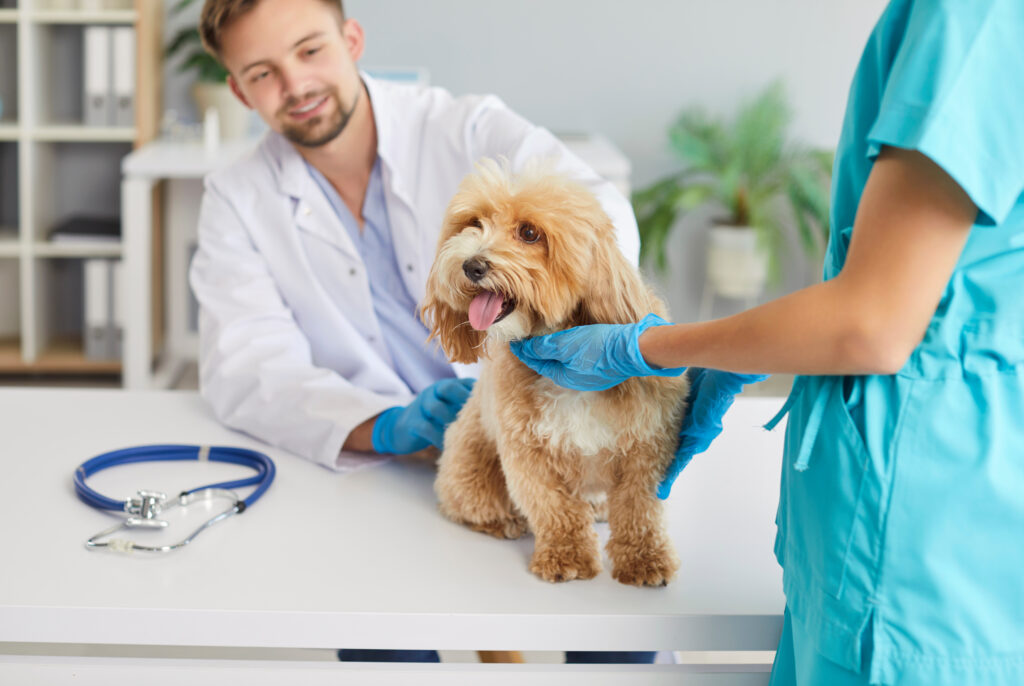
The CMA invites veterinary practice managers to submit feedback on the proposed remedies by 5 pm on 27 May 2025. Your response is crucial to ensure the CMA’s final decision takes into account practical considerations and unintended consequences that may arise in daily operations.
When drafting your response, consider:
Practice managers should review the full CMA consultation and working papers on the official CMA case page to inform their submissions.
With the CMA expected to publish its final decision in late 2025, practice managers must begin preparing now for significant operational shifts. Key actions include:
Proactive preparation will help your practice remain compliant, trusted by clients, and resilient during this period of market reform.
Keeping these milestones in mind will enable practice managers to plan effectively and implement necessary changes promptly.
The CMA’s 2025 veterinary market investigation marks a pivotal moment for UK veterinary services, focused on enhancing transparency, competition, and consumer protection. Veterinary practice managers are at the forefront of this transition, tasked with adapting operations to new regulatory expectations while maintaining the highest standards of veterinary care and animal welfare.
By staying informed, engaging with the consultation, and preparing your practice accordingly, you can ensure your clinic navigates this regulatory evolution successfully. Your leadership will be vital in supporting a thriving veterinary market that benefits pet owners, veterinary professionals, and the wider sector.
Partner with Verovian Veterinary Recruitment Agency to streamline your hiring and secure exceptional veterinary talent. We specialise in connecting practices like yours with skilled professionals – from experienced associates to vital support staff – who are perfectly matched to your specific needs, practice culture, and long-term vision. Let us leverage our expertise to help your team thrive in today's competitive veterinary healthcare market.
Becoming a registered veterinary surgeon with the Royal College of Veterinary Surgeons (RCVS) is the defining milestone for anyone who has completed a UK-accredited veterinary degree. Registration is not simply a bureaucratic hurdle; it is your legal licence to diagnose, prescribe, and perform surgery on animals in the UK, and it signals to employers, colleagues, and the public that you meet the profession’s exacting standards of education, ethics, and animal welfare.
In this guide, we’ll explain the role of the RCVS, set out the eligibility criteria for UK graduates, walk through the application process, and describe how to maintain your registration throughout your career.
The Royal College of Veterinary Surgeons was created by Act of Parliament in 1844 and remains the sole body empowered to confer the title “veterinary surgeon” in the UK. Its key responsibilities are to:
By registering with the RCVS, you secure your legal right to practise and demonstrate your commitment to upholding the profession’s reputation.
All applicants educated in the UK must satisfy three core requirements:
Gather and certify the following documents before you begin your application:
Having these documents organised in advance will help streamline your registration process.

Visit the RCVS registration portal and register using your email address. Set up two-factor authentication for security.
Enter your personal details, education history, and clinical experience. Ensure every entry matches your supporting documents exactly.
Attach your PDFs in the designated sections. Verify that each file is legible and correctly oriented.
You will need to make payment to complete the registration process. To learn more, visit the RCVS payment page.
After you’ve submitted your application, uploaded your documents and made payment, the RCVS will contact you to schedule a video appointment via Microsoft Teams. During this meeting, you’ll be asked to present your passport for identity verification.
Once the appointment is complete, RCVS processing typically takes four to six weeks. You can monitor your application’s progress at any time through your online account.
Registration marks the start of your professional journey, not the end. Each year—typically on 1 April—you must renew your registration by paying the retention fee and confirming your personal and practice details. You are also required to complete 35 hours of Continuing Professional Development (CPD) annually, logging every activity from practical workshops to journal article reviews. Keeping up with both CPD and renewal ensures you remain in good standing; failure to do so can lead to suspension and the loss of your legal right to practise.
For UK-educated veterinary graduates, RCVS registration is the gateway to a rewarding career in animal health. By ensuring you hold an accredited degree, compiling accurate documentation, navigating the online application carefully and meeting ongoing CPD and renewal requirements, you will secure your legal right to practise and join the profession at the highest standard.
Verovian Vet Recruitment Agency connects RCVS-registered veterinary surgeons with locum and permanent positions across the UK. Whether you’ve just gained your registration or are seeking a new clinical challenge, our specialist team will match you with practices that suit your expertise and negotiate competitive terms on your behalf.
Ready to take the next step? Register with Verovian Veterinary Recruitment Agency today and secure your ideal veterinary surgeon role!
Complaints are a natural part of any veterinary practice. Whether from clients regarding their pets’ care or from internal staff about workplace issues, how these complaints are handled can significantly impact the credibility and success of your practice. As a practice manager, it is essential to address complaints promptly and professionally to maintain trust, improve service quality, and ensure a positive working environment.
This guide provides veterinary practice managers with actionable steps to effectively handle complaints, ensuring smooth operations and stronger relationships with both clients and staff.
Understanding the types of complaints your practice may encounter is the first step toward effectively addressing them. Complaints typically fall into two categories: client complaints and internal complaints.
Client complaints are primarily related to their experience and their pet’s care. Common issues include:
Internal complaints often stem from staff dissatisfaction and may involve issues such as:
Effectively addressing complaints from clients or internal team members is crucial for maintaining a well-functioning veterinary practice. A structured and professional approach ensures fair resolution and fosters trust within your clinic. Here’s a streamlined approach to handling both client and internal complaints:
1. Acknowledge the Complaint Promptly
Recognising concerns as soon as possible reassures clients and staff that their complaint is taken seriously. Listening attentively and responding with empathy sets the stage for a productive resolution.
2. Investigate the Issue Thoroughly
Review medical records, workplace policies, and operational procedures to gather relevant details. Speak with the involved parties to understand all perspectives before determining the best course of action.
3. Provide a Fair and Realistic Solution
Once all facts are collected, respond with professionalism and empathy. Offer a practical resolution tailored to the situation, whether addressing a client’s concern about pet care or resolving a staff conflict.
4. Document for Future Reference
Keeping thorough records of complaints helps track recurring issues and provides a reference if the matter escalates.
5. Follow Up to Ensure Satisfaction
After implementing a solution, follow up with the client or team member to confirm the resolution is effective. This step reinforces trust and provides valuable feedback for ongoing improvements in practice management.
Handling complaints is not only about resolving issues but also about using them as opportunities for growth. By learning from feedback and making necessary improvements, you can turn a dissatisfied client into a loyal one.
Every complaint provides valuable insights into your practice’s operations. For instance, if clients consistently complain about long wait times, you may need to assess your scheduling system or consider increasing staff during peak hours.
If a specific issue—such as poor communication or billing discrepancies—keeps arising, use complaints as an opportunity to revise processes and improve customer service. This proactive approach can help reduce the number of future complaints.
Prevention is always better than resolution. Be transparent with clients about pricing, services, and wait times to set realistic expectations. Also, fostering good communication among team members can prevent internal conflicts and improve overall practice efficiency.
Practice managers must address client concerns, internal disputes, and legal obligations while ensuring regulatory compliance. Various organisations offer guidance, legal support, and mediation services to help veterinary professionals handle complaints effectively and uphold professional standards.
Complaints, whether from clients or staff, are a part of any veterinary practice. How you handle them can significantly impact the success and reputation of your practice. By implementing a structured complaint management process, training your team, and addressing concerns promptly, you can foster stronger relationships with clients and create a more positive work environment for your team.
A skilled and efficient team is essential for delivering outstanding veterinary care. Whether you run an independent clinic or a multi-location practice, your success depends on the expertise and dedication of your staff. Verovian Veterinary Recruitment Agency provides tailored staffing solutions to help you build and sustain a high-performing team.
From expert recruitment and specialised training to fostering team cohesion and offering flexible staffing options, we ensure your practice is equipped to provide exceptional care. Contact us today to find the right veterinary professionals for your team.
Creating a thriving workplace is essential for delivering exceptional care in today's fast-paced veterinary world. A supportive and positive environment enhances team morale, drives productivity, and improves patient outcomes. In this blog, we explore practical, proven strategies to help you build a great workplace for your veterinary team.
Whether you’re a practice owner or manager, you’ll discover actionable tips on fostering open communication, nurturing leadership, and maintaining a healthy work-life balance—all aimed at transforming your practice into a hub of excellence and employee satisfaction.
A positive workplace culture is the foundation of a thriving veterinary practice. It influences team morale, client satisfaction, and overall success. Here’s why it matters:
Transparent communication is the backbone of any successful team. Regular meetings, clear channels for feedback, and an open-door policy can all contribute to a workplace where everyone feels heard. Encouraging honest dialogue not only helps resolve issues quickly but also builds trust among team members.
Effective leadership sets the tone for your entire practice. Consider investing in leadership training and team-building activities that reinforce collaboration and mutual support. Whether it’s through informal gatherings or structured retreats, these initiatives can help your team bond and work together more effectively. For further insights on effective leadership practices, you might find resources on the British Veterinary Association (BVA) website particularly useful.
Acknowledging the hard work of your staff can boost morale and reinforce a positive work environment. Simple gestures—such as recognising achievements during team meetings or instituting an ‘Employee of the Month’ scheme—can make a big difference. This recognition helps ensure that everyone feels appreciated for their contributions.
Maintaining a healthy work-life balance is essential for preventing burnout and ensuring that your team remains enthusiastic about their roles. Flexible working arrangements, mental health support, and wellness initiatives can all contribute to a more balanced and satisfied workforce. For ideas on fostering a healthier work environment, you might explore resources from organisations like the Society of Practising Veterinary Surgeons (SPVS).

Recruitment plays a pivotal role in maintaining a positive work culture. Hiring candidates who not only have the necessary skills but also align with your practice’s values is crucial. At Verovian Veterinary Recruitment Agency, we specialise in connecting veterinary practices with candidates who are a perfect cultural and professional fit. Our expertise ensures that your team is composed of individuals who are committed to the collective success of your practice.
Building a great workplace is an ongoing journey that requires commitment, flexibility, and a genuine concern for your team’s well-being. By fostering open communication, investing in leadership, recognising your staff's efforts, and promoting a healthy work-life balance, you lay the foundation for a practice that not only thrives but also stands out in the veterinary community.
Ready to transform your workplace culture and build a cohesive, high-performing team? Contact us today and discover how Verovian Veterinary Recruitment Agency can help you attract the right talent for your veterinary practice. Start creating the great workplace your team deserves—because when your team succeeds, so does your practice.
Locum roles are increasingly popular among veterinary professionals, offering flexibility and opportunities that permanent positions often cannot. However, as with any career choice, it’s essential to assess how locum work might impact your long-term career trajectory. Whether you’re a seasoned veterinarian seeking a change or a recent graduate eager to explore different career paths, this blog examines the benefits and challenges of locum veterinary roles and how they can shape your professional journey.
One of the greatest advantages of locum vet jobs is the flexibility they offer. As a locum vet, you have the freedom to choose when and where you work, allowing you to design a schedule that suits your lifestyle. Whether you’re looking to travel, pursue further education, or achieve a better work-life balance, locum work provides a level of autonomy that permanent positions often lack.
Working as a locum vet exposes you to a wide variety of cases, work environments, and team dynamics. This diversity helps sharpen your clinical skills, adaptability, and problem-solving abilities. Whether you’re working with small animals, exotic species, or equine patients, every assignment is an opportunity to expand your expertise.
If you’re considering a specialisation, locum work can also offer a glimpse into niche areas before committing to further training. Learn more about veterinary specialisations at the Royal College of Veterinary Surgeons (RCVS).
Each locum assignment introduces you to new colleagues, clinic owners, and industry contacts. Building these relationships can lead to future opportunities, including permanent roles or collaborations. Networking is especially beneficial in a field as interconnected as veterinary medicine. For instance, organisations like the Society of Practising Veterinary Surgeons (SPVS) host events and workshops where locum vets can connect with peers and learn about new opportunities. Similarly, the British Veterinary Association (BVA) offers networking events and webinars, providing a platform to forge meaningful professional relationships.
Locum roles often come with higher hourly rates compared to permanent positions, making them an attractive option financially. However, it’s important to account for income variability between assignments and the need to manage your own tax and National Insurance contributions. For guidance on self-employment finances, HMRC’s self-assessment resources can help you navigate tax obligations.
Locum work can be a stepping stone to other opportunities. It allows you to gain experience in various practice types, which can strengthen your CV and make you a more competitive candidate for permanent roles. For those aiming to start their own practice, locum work offers valuable insights into different management styles and operational setups.
While locum work has its advantages, it’s not without challenges. These may include:
Locum veterinary roles offer incredible flexibility, diverse experiences, and the opportunity for professional growth that permanent positions may not provide. Whether you're seeking a change of pace, exploring different practice environments, or enhancing your skill set, locum work allows you to tailor your career to your personal and professional goals. However, it’s crucial to consider the challenges, such as instability and the lack of benefits, and plan accordingly to ensure long-term success.
By weighing the benefits and downsides, you can make an informed decision on how locum roles fit into your career journey and determine if they align with your aspirations. Whether you’re just starting out or a seasoned professional, locum work can be a powerful tool for shaping a fulfilling and dynamic veterinary career.
At Verovian Vet Agency, we specialise in both locum and permanent veterinary positions across the UK, offering expert recruitment services to match your unique skills and career aspirations. Whether you're looking for the flexibility of locum work or the stability of a permanent role, our team is here to guide you towards your ideal position.
Ready to explore new opportunities? Visit our website today to check out the latest job listings and take the next step in your veterinary career!
Transitioning into a veterinary speciality can be a rewarding career move, offering the opportunity to focus on a specific area of interest and significantly impact animal care. If you’re a veterinary professional in the UK looking to shift from general practice to a specialised field, here's a step-by-step guide to help you navigate this exciting transition.
Before transitioning into a veterinary speciality, gaining experience in general practice is crucial. This step allows you to develop core veterinary skills and gain exposure to a wide variety of cases—from routine check-ups to complex surgeries. This diversity helps you build a solid foundation that is essential for any speciality.
More importantly, working in general practice allows you to discover your true interests. Are you captivated by delicate surgical procedures? Do you feel a sense of fulfilment when solving intricate internal medicine cases? Or perhaps you have a passion for addressing behavioural challenges in animals? It’s also an opportunity to assess your strengths, helping you make an informed decision about which path suits you best.
Ultimately, this phase is not just about skill-building—it’s a critical period of discovery that prepares you for the specialised career ahead.
Once you've gained sufficient experience in general practice, the next crucial step is selecting a veterinary speciality that aligns with your passion, career goals, and strengths. The variety of cases you’ve encountered will help shape your understanding of what excites and motivates you within the field. The veterinary profession offers a wide range of specialities, each with its own unique focus. Some of the most popular and in-demand specialities include:
Consider shadowing specialists or volunteering in speciality clinics to gain insight into different fields.
After identifying your area of interest, the next crucial step is to research the requirements for your chosen veterinary specialty. Each speciality in the UK has specific educational and training standards, typically requiring postgraduate education and completion of a residency program. Professional bodies like the Royal College of Veterinary Surgeons (RCVS) and the European College of Veterinary Specialists (ECVS) oversee certification, so it’s essential to review their guidelines to understand the qualifications needed for board certification.
Additionally, consider the necessity of Continuing Professional Development (CPD) to maintain your certification and stay updated with advancements in your field. It's also important to evaluate the lifestyle and work-life balance associated with your speciality, as some areas may demand more on-call hours or emergency work. Understanding these factors will help you effectively prepare for your specialised career in veterinary medicine.
Transitioning into a veterinary speciality requires a commitment to further education and training. One of the most effective pathways is applying for residency programs, which typically last three to four years, depending on the specialty. These programs offer hands-on experience and in-depth training in your chosen field. These programs are often competitive, so it’s essential to craft an application that showcases your relevant experience and academic achievements. For instance, if you're interested in veterinary surgery, completing a residency at the Royal Veterinary College can provide invaluable exposure to complex surgical procedures and techniques.
In addition to residencies, enrolling in postgraduate courses or diploma programs can enhance your specialised knowledge. For example, a postgraduate diploma in veterinary dermatology from institutions like The University of Edinburgh typically takes one to two years to complete and equips you with the expertise to diagnose and treat skin conditions in animals.
Once you've completed your residency or postgraduate program, the next exciting step is obtaining certification. This milestone is more than just a credential; it showcases your dedication and expertise in your specialty. To achieve this, you'll typically need to pass an examination from professional bodies like the European College of Veterinary Specialists (ECVS) or the Royal College of Veterinary Surgeons (RCVS).
Think of the exam as your gateway to recognition. It allows you to demonstrate your knowledge and apply it to real-world scenarios. While preparation can be intense, it's also an opportunity to connect with peers and mentors who can provide valuable support. Certification is crucial for establishing yourself as a recognised specialist, opening doors to advanced clinical roles, and enhancing your credibility with clients and employers.
Building relationships with professionals in your chosen field is key. Attend veterinary conferences like the London Vet Show or the BSAVA Congress, where you can meet specialists and learn about the latest advancements in veterinary medicine. Joining specialist organisations, such as the British Veterinary Association, provides access to resources and networking events that can connect you with fellow veterinarians. Additionally, seek mentorship from established specialists—many seasoned vets are open to guiding newcomers, and offering valuable insights and advice. Networking in these ways can lead to opportunities for residency positions, collaborative research projects, and career advancement.
Now that you’ve taken the leap to transition and are a certified specialist, it’s essential to update your CV to reflect your new qualifications, skills, and experiences. Start by highlighting your specialization—emphasize your training, certifications, and any relevant hands-on experience to showcase your expertise. This is crucial for making a strong impression on potential employers.
Next, tailor your job applications to each position you apply for. Customising your CV and cover letter allows you to clearly demonstrate how your specialised skills align with the specific requirements of the role. To ensure your application stands out, consider enlisting the help of a recruitment agency.
Verovian Veterinary Recruitment Agency is an excellent choice for professionals like you seeking to advance your career. We specialise in matching certified specialists with top veterinary positions across different practices throughout the UK that foster growth and development. With our expertise, we provide assistance in crafting impressive CVs and cover letters that truly reflect your capabilities and aspirations. Our dedicated team understands the industry and can connect you with opportunities in environments where your career can thrive.
Continuing Professional Development (CPD) is essential for sustaining a successful career in veterinary medicine, ensuring that you stay updated with the latest research, techniques, and advancements. By regularly participating in workshops, seminars, webinars, and conferences, you can sharpen your skills and remain competitive in your specialty. Engaging in CPD not only enhances your expertise but also demonstrates your commitment to ongoing professional growth. For instance, the British Veterinary Association provides a variety of CPD opportunities tailored to different veterinary fields, helping you stay at the forefront of your profession.
Transitioning into a veterinary speciality is more than just a career move—it’s a deeply rewarding journey that allows you to hone your passion and make a significant impact on animal care. Each step, from gaining experience in general practice to earning certification, shapes you into a highly skilled professional in your chosen field. Remember that this path requires dedication, ongoing learning, and a strong support network, but the opportunities it opens up are vast and fulfilling.
As you embark on this journey, embrace each challenge as part of your growth. Stay curious, seek out mentorship, and never stop advancing your skills. Veterinary medicine is constantly evolving, and by staying at the forefront of your speciality, you’ll not only enhance your career but also improve the quality of care you provide to the animals that rely on you.
If you're ready to take the next step in your career, explore the latest job opportunities with Verovian Veterinary Recruitment Agency, where we connect specialists like you with top veterinary roles across the UK. Let us help you find the perfect environment to thrive.