
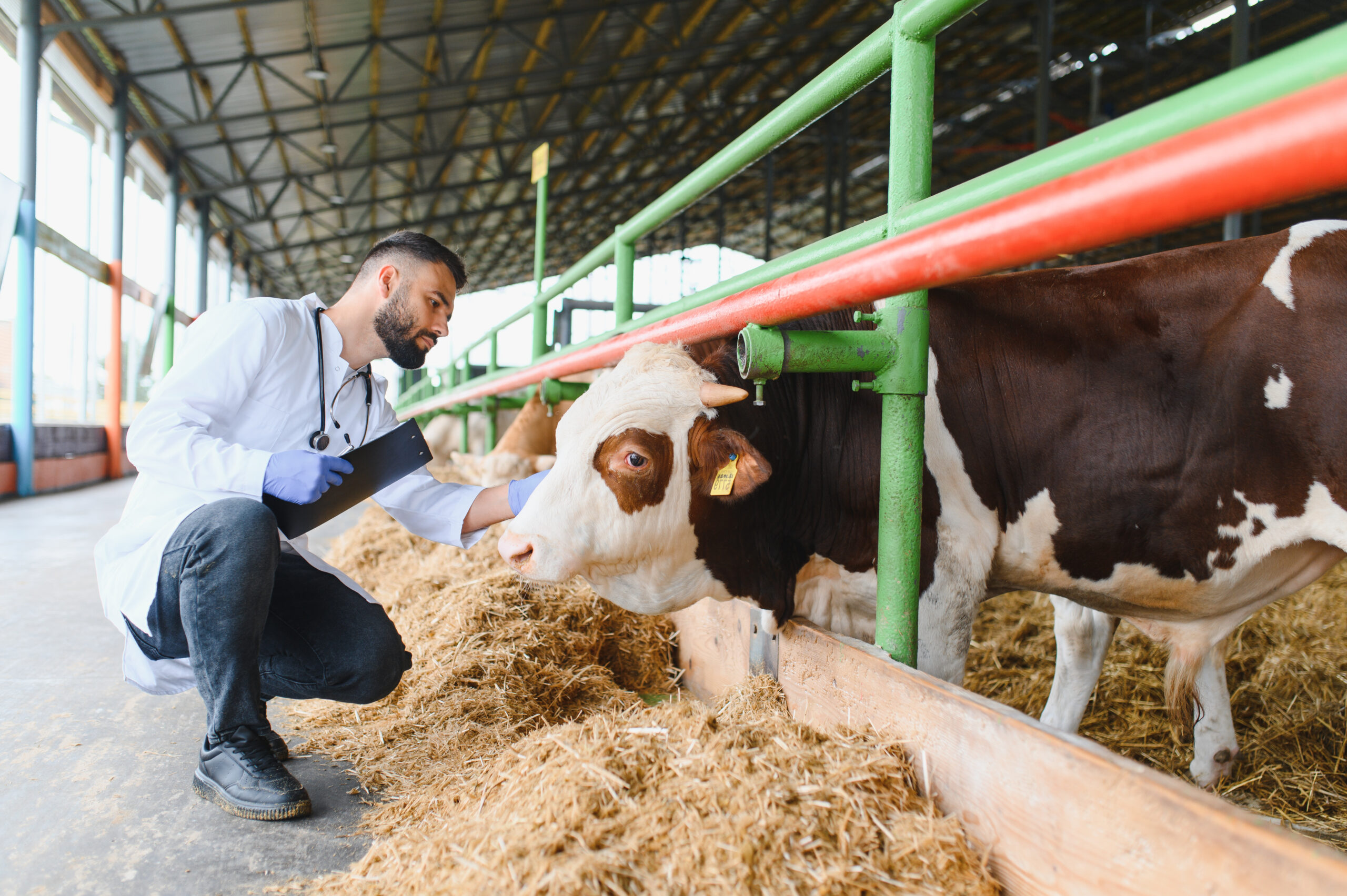
Rural veterinary practice is vital to the UK’s agriculture, animal welfare, and food security, yet many practices are struggling to attract and retain the professionals needed to sustain these services. Workforce shortages, rising burnout, and shifting career expectations are reshaping the rural employment landscape and forcing practices to rethink recruitment.
Insights from the RCVS Survey of the Veterinary Profession and the British Veterinary Association workforce reports highlight ongoing hiring pressures, particularly within farm and mixed practice. As competition for talent intensifies, rural recruitment is becoming more strategic and candidate-focused, with practices refining incentives, embracing flexibility, and widening talent pipelines.
This blog explores the key challenges shaping rural veterinary recruitment in the UK, how they compare with urban practice dynamics, and the strategies influencing hiring.
What Rural Veterinary Practice Looks Like in the UK: A Comparison with Urban Roles and Its Vital Role in the Sector
The contrast between rural and urban veterinary practice is one of the most influential factors shaping recruitment trends.
Rural veterinary roles typically involve mixed-practice environments, combining farm animal care with companion animal services across large geographic areas. Vets often travel significant distances between farms and manage unpredictable emergency calls. In contrast, urban veterinary practices tend to focus primarily on small animals, offering structured clinic-based schedules and access to specialist support.
Compensation and lifestyle also differ. Urban practices generally offer higher salaries, modern facilities, and clearer progression pathways. Rural roles may provide slightly lower base pay but offer broader clinical exposure, greater autonomy, and strong community integration. For some professionals, this breadth of experience is highly rewarding. For others, the demands and isolation present significant barriers.
Despite representing a smaller proportion of the veterinary workforce, rural practitioners support vital sectors such as livestock farming, disease surveillance, and public health. These roles are closely tied to the UK livestock and agriculture sector and national food supply chains. Shortages in rural veterinary roles can therefore have far-reaching implications for food production, biosecurity, and animal welfare across the UK.
Key Challenges Facing Rural Veterinary Practices in 2026
Rural veterinary practices face a unique combination of structural and workforce pressures that make recruitment increasingly complex.
Workforce Shortages and Burnout
Many rural practices operate below optimal staffing levels, often functioning at reduced capacity due to limited candidate availability. Long hours, demanding on-call schedules, and physically intensive work contribute to high levels of fatigue and stress. According to the latest RCVS workforce survey, a significant proportion of farm animal veterinarians have considered leaving their roles due to work-life balance concerns.
This sustained pressure creates a cycle in which understaffing leads to overwork, which in turn drives further attrition. For hiring managers, this translates into longer recruitment timelines and increased competition for experienced candidates.
Geographic Isolation and Wellbeing Concerns
Professional isolation remains a defining feature of rural veterinary work. Limited access to peer networks, continuing professional development opportunities, and social amenities can impact both morale and retention. Findings from the BVA Voice of the Veterinary Profession survey consistently highlight stress and wellbeing concerns across the profession, with rural roles often experiencing intensified pressures.
Addressing isolation through structured support and team-based models is becoming a critical element of successful rural recruitment and retention strategies.
Economic Pressures and Brexit Impact
Financial considerations also shape hiring challenges. Rural practices frequently serve agricultural clients working within tight economic margins, limiting their ability to increase fees and salaries. As a result, rural roles may offer lower compensation than urban positions without additional incentives.
Brexit has further intensified workforce pressures. Data from the RCVS registration statistics show a notable reduction in EU-qualified veterinarians entering the UK in recent years. At the same time, veterinarians remain on the UK’s Shortage Occupation List, underlining the continued demand for international talent.
How Rural Challenges Are Impacting UK Veterinary Recruitment Trends
These structural challenges are driving notable changes in how veterinary recruitment is approached across the UK.
Rising Turnover and Skills Gaps
High turnover rates, particularly in farm and mixed practice, have created persistent skills shortages. Practices must now recruit more frequently and compete more actively to secure experienced professionals. In some cases, roles remain unfilled for extended periods, placing additional strain on existing teams and affecting service delivery.
This environment has increased demand for specialist recruitment support capable of sourcing candidates efficiently and aligning them with the realities of rural practice.
Growth of International and Flexible Recruitment Models
With domestic supply constrained, international recruitment has become an increasingly important component of rural hiring strategies. Practices are exploring talent from non-EU markets and working closely with specialist agencies to navigate visa requirements and professional registration processes.
Flexible working arrangements are also becoming standard rather than optional. Shared on-call systems, part-time roles, and defined working hours help make rural positions more sustainable and attractive to a broader range of candidates.
Service and Economic Implications
Recruitment challenges in rural areas have wider implications for agricultural productivity and animal health outcomes. Delays in veterinary care can affect livestock management, disease prevention, and farm efficiency. These pressures reinforce the importance of maintaining a stable veterinary workforce across rural regions and ensuring practices can secure the right talent quickly and effectively.
Practical Hiring Strategies to Combat Rural Veterinary Challenges
To counter these dynamics, practices are implementing insight-driven approaches that prioritise culture and innovation, as recommended by industry leaders.
- Offer Competitive Incentives: Relocation support and salaries adjusted for rural costs can draw talent, with the BVA advocating for packages that address out-of-hours demands.
- Leverage Education Programs: Collaborate with veterinary schools to provide farm placements for vet students, building interest in rural careers.
- Embrace Technology and Teams: Integrate telemedicine and multidisciplinary teams, including veterinary nurses, to reduce isolation and appeal to modern recruits.
- Target Passive Candidates: Use networks to scout rural-background professionals, streamlining processes for quick hires.
- Highlight Unique Selling Points: Emphasise community impact and progression in ads to stand out in a competitive market.
- Partner with Specialised Agencies: Collaborating with Verovian Veterinary Recruitment Agency provides access to a curated pool of qualified candidates, tailored for rural roles and supported by expert guidance on market trends.
Retention Strategies to Build a Solid Rural Veterinary Team
Retention is equally critical, focusing on support to foster long-term commitment in the face of workforce issues.
- Promote Work-Life Balance: Flexible rotas and mental health resources help combat burnout, as per RCVS guidelines.
- Offer Professional Development: Fund CPD and mentorship to boost retention, aligning with BVA's emphasis on career growth.
- Foster Positive Culture: Team-building and recognition initiatives enhance morale in isolated settings.
- Competitive Compensation: Fair pay and benefits packages address economic pressures.
- Support Networks: Build alliances for shared resources, reducing the strains of working in rural environments.
Future Outlook for Rural Veterinary Recruitment
Demand for veterinary services across the UK is expected to remain strong, supported by continued growth in companion animal ownership and agricultural development. The findings of the CMA veterinary market review also point toward increasing transparency and evolving service expectations within the sector.
Advances in telemedicine, AI-assisted diagnostics, and sustainable farming practices will influence the skills required of future rural vets. Practices that embrace innovation while maintaining supportive working environments will be best positioned to attract emerging talent.
While overall workforce supply may gradually improve over time, rural and public health roles are likely to continue experiencing targeted shortages. Strategic recruitment, strong retention frameworks, and specialist hiring support will remain essential to maintaining service continuity across rural communities.
Conclusion
Rural veterinary recruitment in the UK is being reshaped by workforce shortages, shifting career expectations, and growing operational pressures. Practices that adapt by offering competitive packages, supportive cultures, and flexible working will be better positioned to attract and retain skilled professionals.
Despite challenges, rural veterinary roles remain diverse, meaningful, and vital to the UK’s agricultural and animal health landscape. With a strategic recruitment approach, they can continue to be both appealing and sustainable.
Build a Stronger Rural Veterinary Team
Finding and retaining skilled rural veterinarians requires market insight, speed, and precision. Verovian veterinary recruitment agency connects practices with committed professionals who understand rural care demands.
Partner with us to secure dependable talent, reduce hiring delays, and build a resilient veterinary team today.